

Google Ads for Pest Control: Maximize Your Leads in 2026
Google Ads for Pest Control: A Complete Campaign Guide
Nobody discovers termite damage or a roach problem and decides to think it over for a week. They grab their phone, search “pest control near me,” and call whoever shows up first with something that looks credible. That single moment, urgent, immediate, ready to book, is exactly why Google Ads for pest control companies works so well when it’s structured right, and why so much ad spend gets wasted when it isn’t.
Google Ads is the paid search platform, formerly known as Google AdWords, that puts a pest control business at the top of search results the instant someone searches for help. Unlike SEO for pest control, which takes months to build organic visibility, Google Ads campaigns can start generating calls the same day they go live. This guide covers Google Local Services Ads and Search Ads, realistic cost benchmarks, campaign structure, and the mistakes that quietly drain a marketing strategy without producing real leads.
Why Pest Control Is a Strong Fit for Google Ads
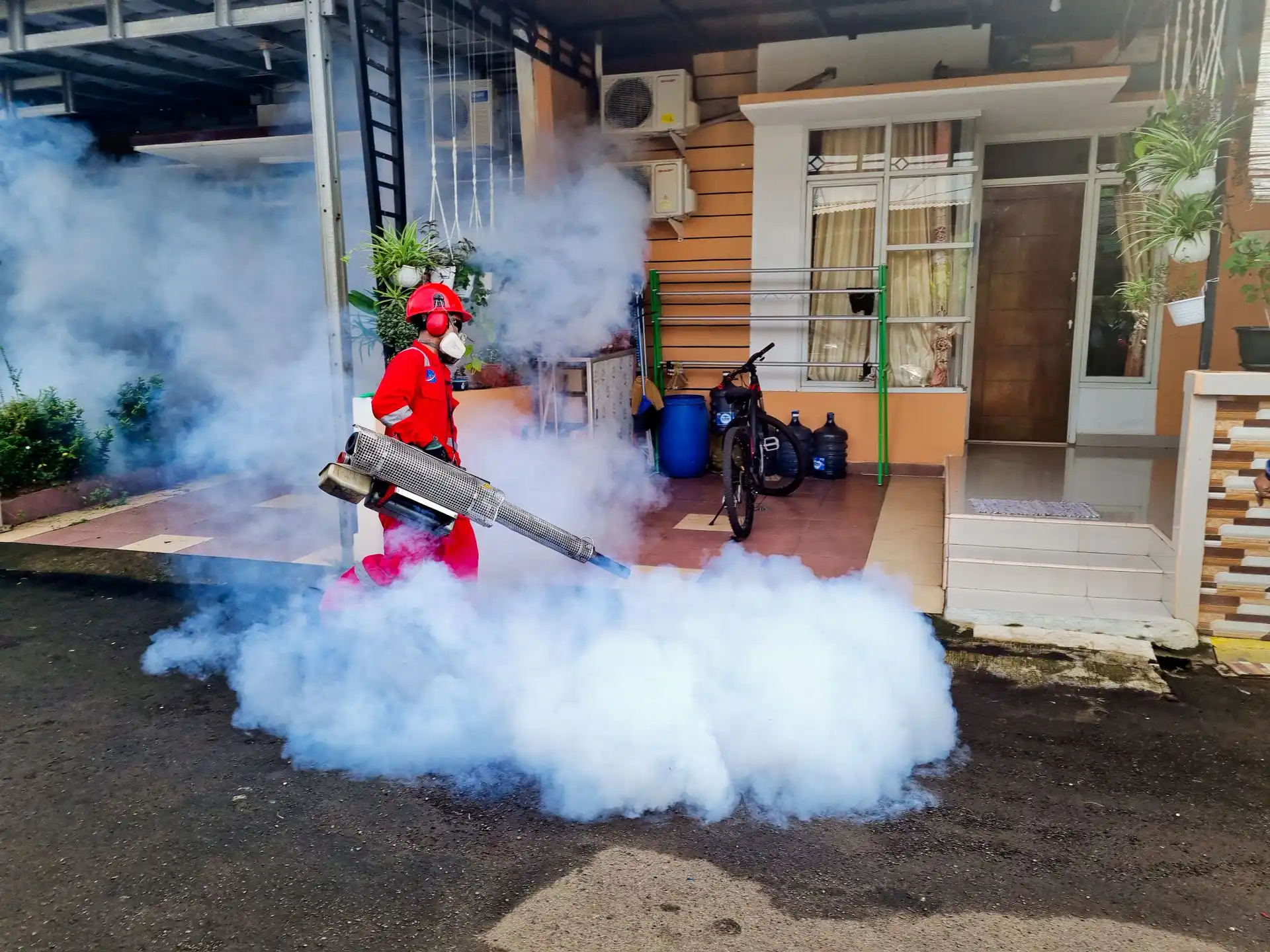
Pest problems are rarely a browsing decision. Someone actively searching for pest control services is usually dealing with something happening right now, ants in the kitchen, a wasp nest by the door, signs of termites in the attic, and they want a solution today, not a quote next week. That urgency is exactly the kind of intent Google Ads was built to capture.
There’s also a strong financial case behind it. Regular pest control often comes with high lifetime value through seasonal contracts and recurring treatments, so even a moderate cost per lead can produce a strong return over the life of a customer relationship. And while organic rankings genuinely help over time, the top of Google search results for high-intent pest control searches is dominated by paid ads and local service ads, not organic listings. A pest control business relying only on SEO is competing for space further down the page.
Google Local Services Ads vs. Search Ads for Pest Control
Two different paid formats exist for pest control companies, and understanding the difference matters before spending a single dollar.
Google Local Services Ads (LSAs) appear above regular search ads and show your business name, star rating, phone number, and a Google Guaranteed badge if your business is verified. LSAs run on a pay-per-lead model, you pay when someone contacts you, not simply when they click, and Google handles much of the targeting automatically. For pest control specifically, LSAs are worth setting up first, since the built-in trust signals, verified reviews and licensing, tend to produce calls from people who are already close to booking.
Search Ads give more control. You pay per click, choose your own keywords, write your own ad copy, and send traffic to a landing page you control. This format takes more setup work but lets a pest control business owner test messaging, target specific services, and scale spend as the account gathers performance data.
Most pest control companies see the strongest results running both together: LSAs for trust-driven, ready-to-book calls, and Search Ads for broader reach and more granular control as the account matures.
Campaign Structure That Actually Converts
One of the most common reasons a pest control Google Ads account underperforms is simple: one broad campaign trying to cover every service at once. A structure built to actually convert separates campaigns by pest type and service, general pest control, termite control, rodent control, ant control, bed bug treatment, rather than lumping everything into a single ad group with generic messaging.
Geo-targeting matters just as much as service structure. It’s tempting to target an entire metro area, but showing ads to people outside your actual service area wastes budget on clicks that can never become customers. Map your real service radius or specific zip codes before launching, and double-check that setting, it’s easy to miss during account setup and expensive when it’s wrong.
It’s also worth building dedicated campaigns around higher-value services like termite inspections or seasonal contracts. These jobs often justify a higher cost per lead, so they deserve their own targeting and bid strategy instead of competing inside a general pest control campaign against lower-value, single-visit jobs.
Choosing the Right Keywords and Match Types
Tools like Google Keyword Planner are a good starting point, but pest control keyword research benefits from going beyond the obvious “pest control” or “exterminator” terms. High-intent phrases like “termite control near me,” “exterminator in [city],” and “emergency pest control” tend to reach people who are actively looking for pest control services right now, not researching for later.
Match type matters more than most new advertisers realize. Starting with exact and phrase match keeps ad spend focused on relevant searches. Broad match can work well later once an account has enough conversion data to understand what actually converts, but starting there risks showing ads to people searching for “DIY pest control” or “pest control jobs,” searches that will never turn into a paying customer. Building a solid negative keyword list early filters out this kind of wasted spend before it happens.
Realistic Cost Benchmarks
Ad spend without a target to measure against is just a number. Cost per click for pest control varies significantly by competition, location, and the specific keyword being targeted, so it’s worth checking current, market-specific data rather than relying on a flat industry-wide figure. As a general signal, a pest control business owner whose cost per lead stays consistently high should treat that as a sign something structural needs attention, campaign structure, landing page, or offer, not just a minor bid adjustment.
Landing Pages That Convert Clicks Into Calls
Winning the click is only half the job. Sending that traffic to a generic homepage instead of a dedicated landing page built around the specific service and search term wastes much of the value of the ad itself. Effective ads and landing pages match closely, someone who clicked an ad for “termite control” should land on a page specifically about termite control, not a general services page they have to dig through.
A landing page built to convert pest control leads needs a fast, obvious path to a phone call, trust indicators like licensing information, guarantees, and real reviews, and messaging that mirrors exactly what the ad promised. It’s also worth testing multiple ad variations within each ad group and refreshing copy regularly, small improvements in click-through rate compound into real savings over time as Google’s system favors better-performing ads.
Call Tracking and Conversion Measurement
Phone calls are the lifeblood of pest control lead generation. Someone dealing with urgent pest problems doesn’t fill out a contact form and wait for a callback, they call immediately. That reality makes call tracking essential, not optional, for anyone running ads for pest control companies.
Without accurate call tracking tied to specific campaigns and keywords, there’s no way to know which clicks actually became paying customers, and Google’s bidding system can’t optimize toward real outcomes either. Track cost per lead and return on ad spend consistently, not just raw click volume, since click volume alone says nothing about whether those clicks turned into booked jobs.
Common Mistakes That Waste Ad Spend
- Showing ads to people outside the business’s actual service area
- Running one broad campaign instead of separate campaigns by pest type and service
- Starting with broad match before the account has enough data to use it well
- Skipping call tracking, making it impossible to know what’s actually working
- Never refreshing ad copy or testing new variations
- Sending clicks to a generic homepage instead of a service-specific landing page
How Google Ads and SEO Work Together
Google Ads and SEO for pest control solve different timing problems, not competing budgets. Paid ads deliver visibility the moment a campaign launches; SEO builds more slowly but typically produces a lower cost per lead over the long run once local rankings and a strong Google Business Profile are established.
For a pest control business entering a new service area with no organic search history yet, running ads can generate real leads immediately while SEO work builds in the background. The two work best together, not as an either-or decision, and a strong Google Business Profile supports both paid and organic performance at once.
Ready to Turn Searches Into Booked Jobs?
Running effective Google Ads for pest control companies takes more than picking a few keywords and setting a budget. Structure, realistic cost benchmarks, the right mix of local service ads and search ads, and call tracking that actually shows what’s working, these all have to come together to turn ad spend into real, booked business.
If your pest control business is ready to move beyond guesswork and start optimizing your ads with a real strategy behind them, Blue Monkfish’s PPC management services can help you build a campaign structured around how people actually search for pest control, not a generic template.
Frequently Asked Questions
How much does Google Ads cost for a pest control company?
It varies by competition, location, and keyword, so it’s worth checking current, market-specific benchmarks rather than relying on a single flat number. A consistently high cost per lead usually signals a structural issue rather than just a bidding problem.
What is the difference between Google Local Services Ads and Search Ads for pest control?
Local Services Ads run on a pay-per-lead model and display trust signals like your rating and Google Guaranteed badge, with Google handling much of the targeting. Search Ads run on a pay-per-click model and give more control over keywords, messaging, and landing pages, but require more setup.
What is the Google Guaranteed badge and how do I get it?
It’s a trust badge that appears on verified Local Services Ads listings after a pest control business passes Google’s background check and licensing verification process, signaling to searchers that the business has been vetted.
How long does it take to see results from pest control Google Ads?
Search campaigns can start generating clicks and calls almost immediately. Meaningful optimization and consistent conversion data typically take a few weeks as the account gathers enough performance history to refine targeting and bidding.
What keywords should a pest control company target?
A mix of high-intent, location-based phrases like “termite control near me” or “exterminator in [city],” specific pest type terms like ant control or rodent control, and emergency-focused searches, rather than just broad, highly competitive terms.
Do I need a separate landing page for each pest control service?
Dedicated landing pages by service generally outperform sending all traffic to one general page, since the messaging matches exactly what the ad promised and gives searchers a clear, fast path to booking.

